• Sierra Nevada ski resort

    Sierra Nevada ski resort
    Sierra Nevada ski resort

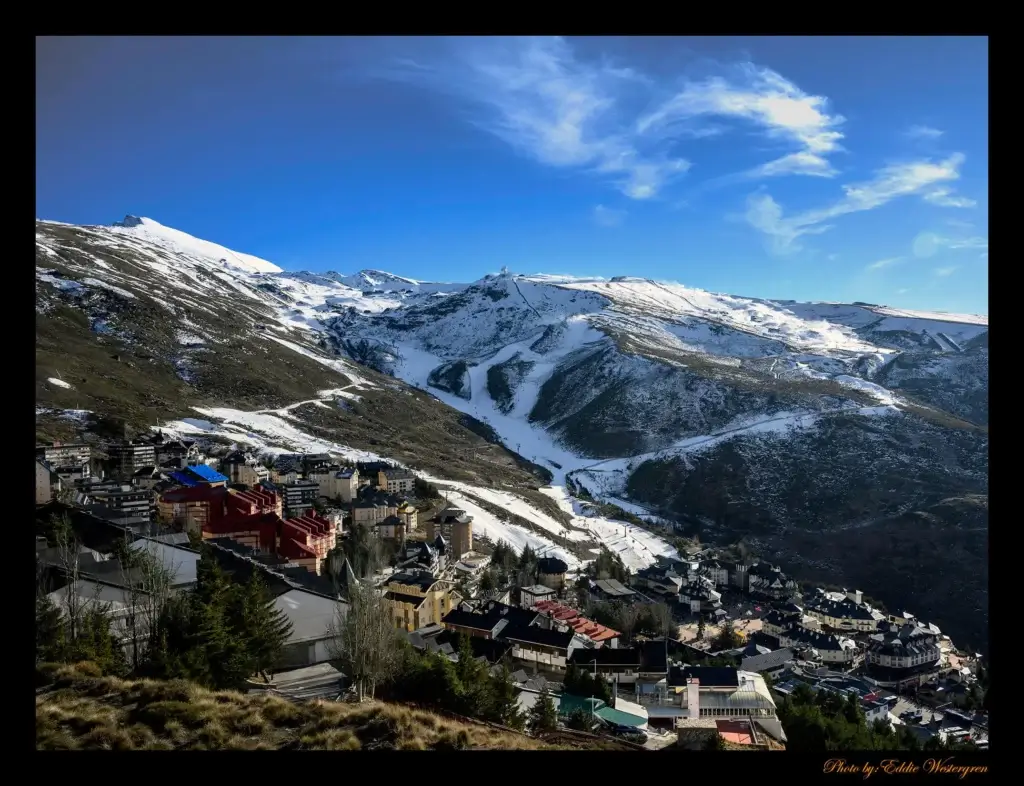
    Sierra Nevada Ski Resort, 

    located in the province of Granada in southern Spain, is one of Europe’s most unique and sought-after winter destinations. Set within the Penibetic mountain range, the resort is dominated by Veleta Peak, which rises to 3,398 meters, making it one of the highest ski areas in Europe. Its elevation and southern location give it an exceptional combination: abundant sunshine, excellent snow conditions, and breathtaking views that stretch as far as the Mediterranean Sea and, on clear days, even the coast of North Africa.

    The resort boasts over 110 kilometers of skiable slopes, distributed across more than 130 runs of varying difficulty. From gentle beginner pistes to challenging black runs, Sierra Nevada offers something for every type of skier and snowboarder. The extensive lift system ensures smooth access to the slopes, while modern snowmaking facilities guarantee consistent coverage throughout the season, which typically runs from late November until early May—one of the longest in Europe.

    One of Sierra Nevada’s defining features is its vibrant après-ski atmosphere. The resort village of Pradollano sits at the base of the slopes and offers a lively mix of restaurants, cafés, shops, and bars. Visitors can enjoy Spanish cuisine, warm drinks, and social gatherings after a day on the mountain. Families will also find plenty of facilities, including ski schools, childcare services, and play areas, making it a welcoming destination for all ages.

    Sierra Nevada

     is also famous for its accessibility. Located just 32 kilometers from the historic city of Granada, it is possible to ski in the morning and visit the Alhambra Palace or stroll through the city’s Moorish streets in the afternoon. Additionally, the Mediterranean coastline is only about an hour’s drive away, offering visitors the rare opportunity to combine skiing with a beach trip on the same day.

    Beyond skiing and snowboarding, the resort hosts a variety of winter sports and events, such as freestyle competitions, night skiing sessions, and even music festivals on the slopes. Its high altitude and clear skies also make it a favorite spot for astronomy enthusiasts.


    In short,

     Sierra Nevada Ski Resort is a destination that blends sport, culture, and natural beauty. Its unique geographical position, excellent facilities, and lively atmosphere make it one of the most remarkable ski resorts in Europe.
  • Sierra Nevada in Spain

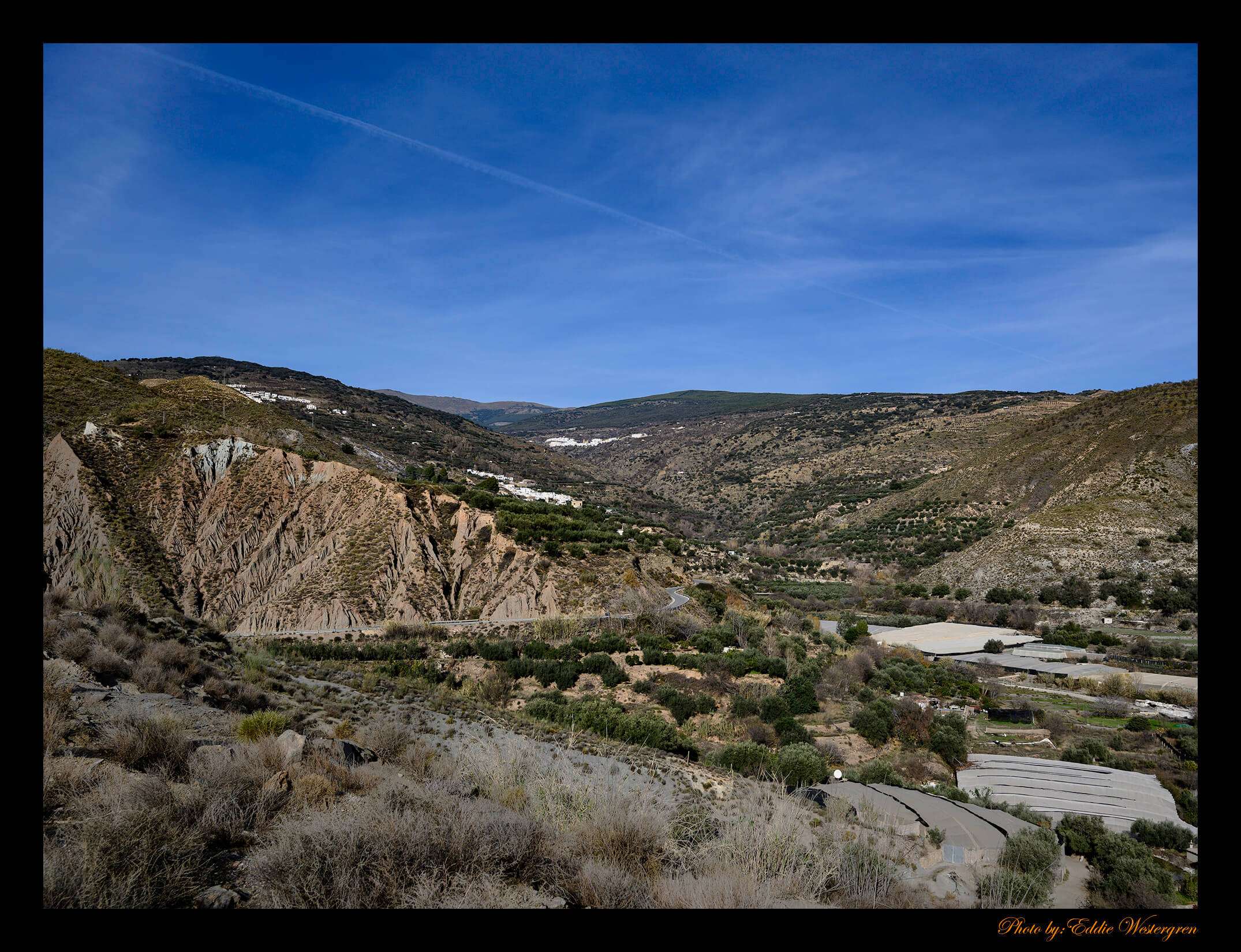
    Sierra Nevada photo
    Sierra Nevada is an extensive mountain range in the south of Spain

    Sierra Nevada, Spain – A Stunning Mountain Paradise

    Sierra Nevada, located in southern Spain’s Andalusia region. One of Europe’s most spectacular mountain ranges and a year-round destination. For all nature lovers, skiers, and adventure seekers. Situated near the historic city of Granada, this breathtaking natural park is home to mainland Spain’s highest peak, Mulhacén, which rises 3,479 meters above sea level. The area’s incredible elevation, combined with its Mediterranean location, makes Sierra Nevada one of the most unique mountain environments in Europe.

    During the winter season

    The Sierra Nevada Ski Resort attracts thousands of visitors from across the world. With more than 100 kilometers of ski slopes, modern facilities, and panoramic views stretching all the way to the Mediterranean Sea. It’s no surprise this is one of Spain’s most popular ski destinations. The resort is also known for its long ski season, often running from late November to early May, offering reliable snow and plenty of sunshine.

    In summer, 

    Sierra Nevada transforms into a paradise for hikers, cyclists, and nature enthusiasts. The Sierra Nevada National Park is a UNESCO Biosphere Reserve, home to rare flora and fauna, crystal-clear rivers, and dramatic landscapes. Popular hiking routes include the ascent to Mulhacén and Veleta, as well as scenic trails through lush valleys and alpine meadows. Visitors can also enjoy birdwatching, mountain biking, and star gazing — thanks to the region’s low light pollution, Sierra Nevada is considered one of the best places in Spain for astronomy.

    Beyond its natural beauty

    Sierra Nevada is easily accessible from Granada. A city famous for the Alhambra Palace and rich Andalusian culture. This makes it possible to enjoy both mountain adventures and cultural sightseeing in one trip.

    Whether you’re looking for thrilling winter sports, peaceful summer hikes, or breathtaking views. Sierra Nevada offers something for everyone. With its combination of pristine nature, modern amenities, and proximity to the Mediterranean coast. it’s no wonder Sierra Nevada, Spain, is a top destination for outdoor lovers and travelers seeking unforgettable experiences in the heart of Andalusia

  • Sierra Nevada National Park

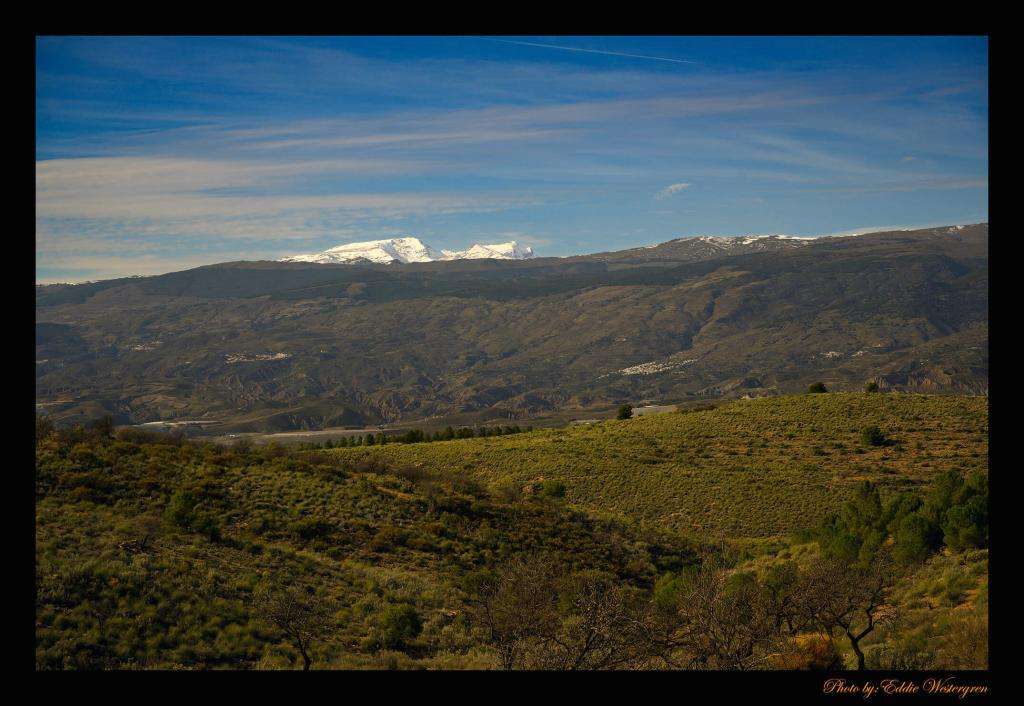
    Snow on sierra nevada photo
    Sierra Nevada National Park with the tops of the mountain in the background. Sierra Nevada s a mountain range in the Andalusian province of Granada in Spain. It contains the highest point of continental Spain: Mulhacén, at 3,479 metres (11,414 ft) above sea level.
  • Fontin lake

    Fontin lake photo

    The Fontin area in Kungälv, Sweden, 

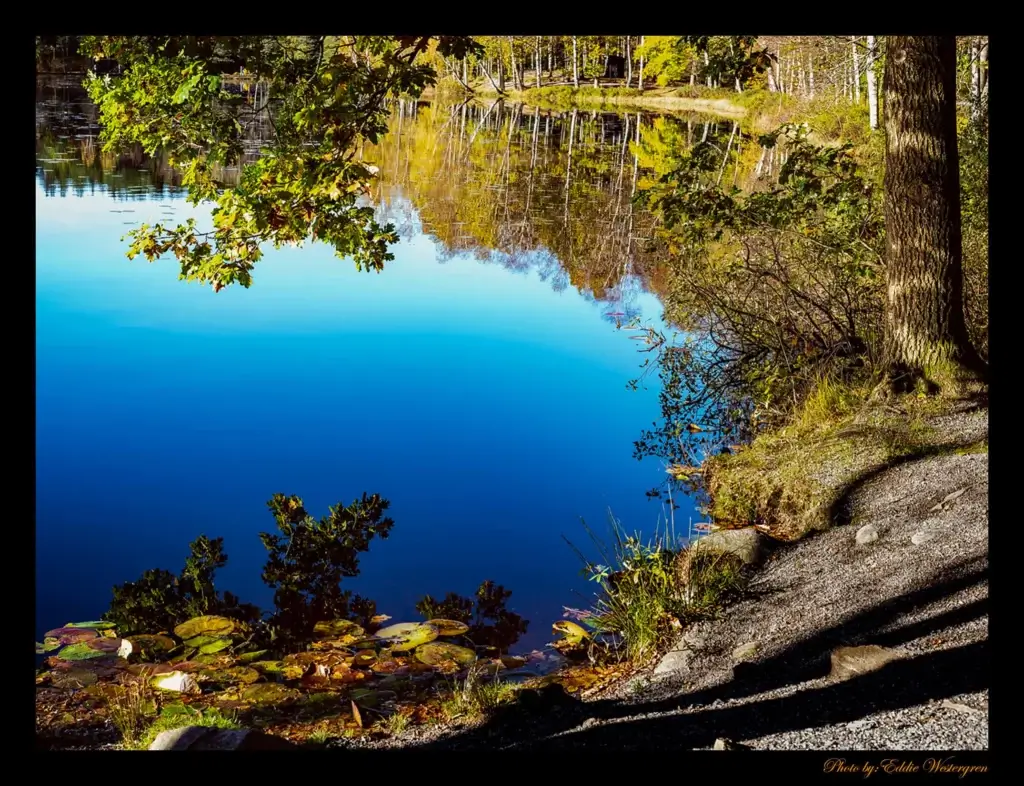
    is a beloved natural retreat where forest, water, and open space come together in perfect harmony. At the heart of this landscape lies the tranquil Fontin lake, a reflective surface that changes character with the seasons. On a calm summer day, the water mirrors the sky and surrounding trees. During the winter it often lies still beneath a thin sheet of ice. The lake is both a visual centerpiece and a place for recreation, attracting visitors who come to walk, jog, picnic, or simply enjoy the peaceful atmosphere.

    Surrounding the lake, dense forests of tall pines and leafy trees create a sense of seclusion and calm. Well-maintained trails weave through this woodland, offering paths for both leisurely walks and more challenging hikes. The air is fresh, filled with the scent of moss and pine needles, and in autumn, the forest floor glows with fallen leaves in warm shades of gold and red. Wildlife thrives here too, with birdsong often accompanying visitors along their journey, and the occasional glimpse of deer or small forest animals adding to the area’s charm.

    Fontin lake is not 

    just a place for quiet reflection; it is also a hub for activity and community. Families gather around the lake for picnics, children play near the water’s edge, and outdoor enthusiasts take advantage of the running tracks and exercise areas. The combination of natural beauty and accessibility makes it a perfect spot for both everyday visits and weekend escapes. With facilities like a nature center and spaces for group activities, Fontin has become a cherished meeting point for people of all ages.

    Photographs of Fontin 

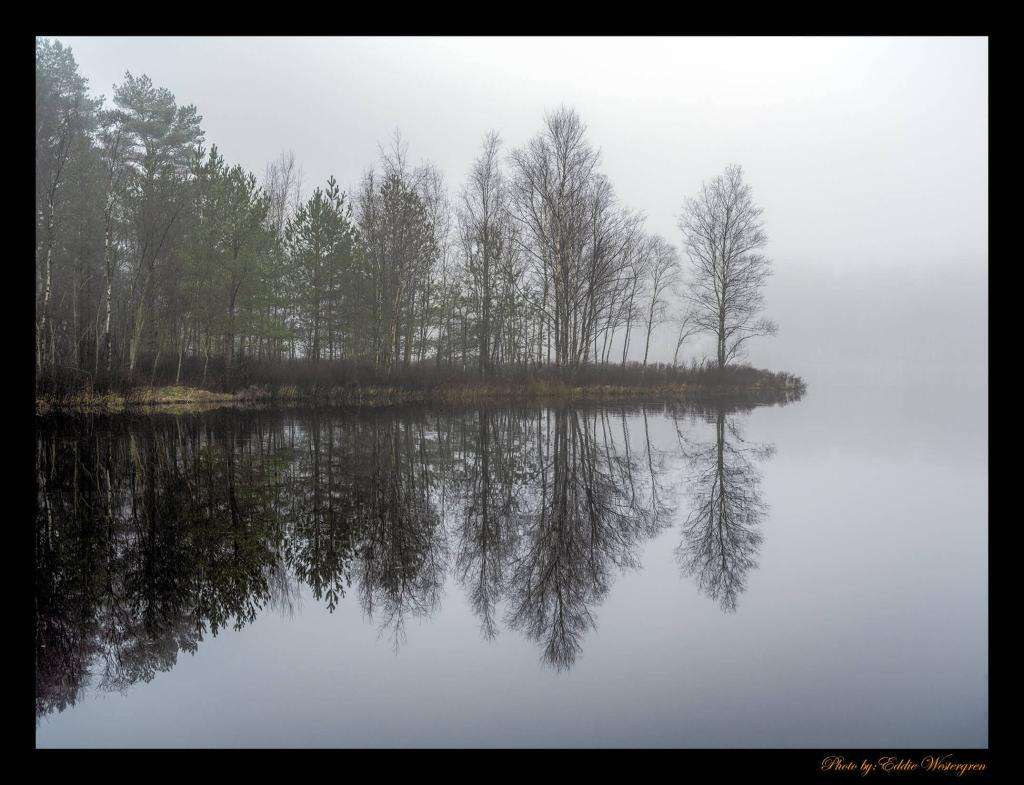
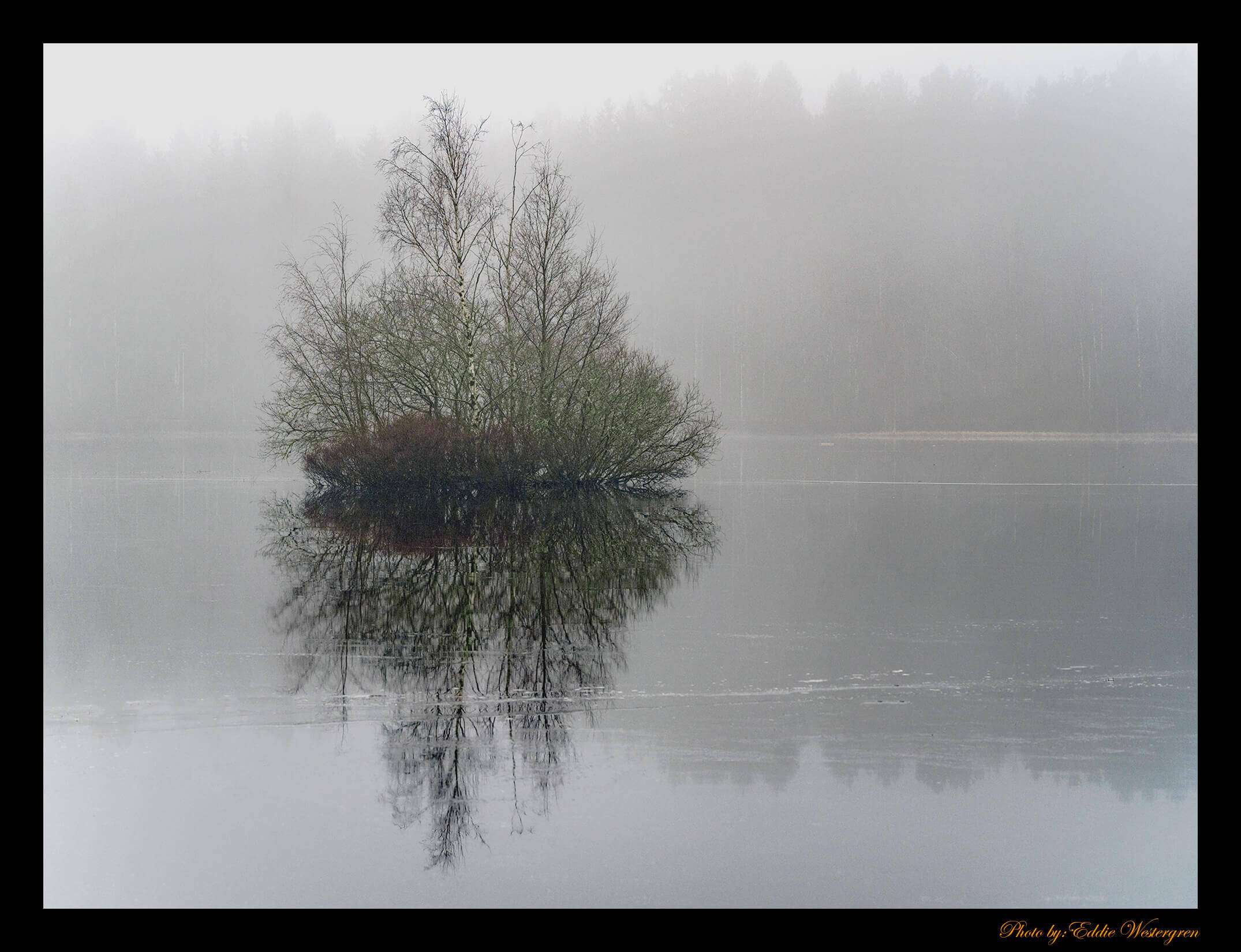
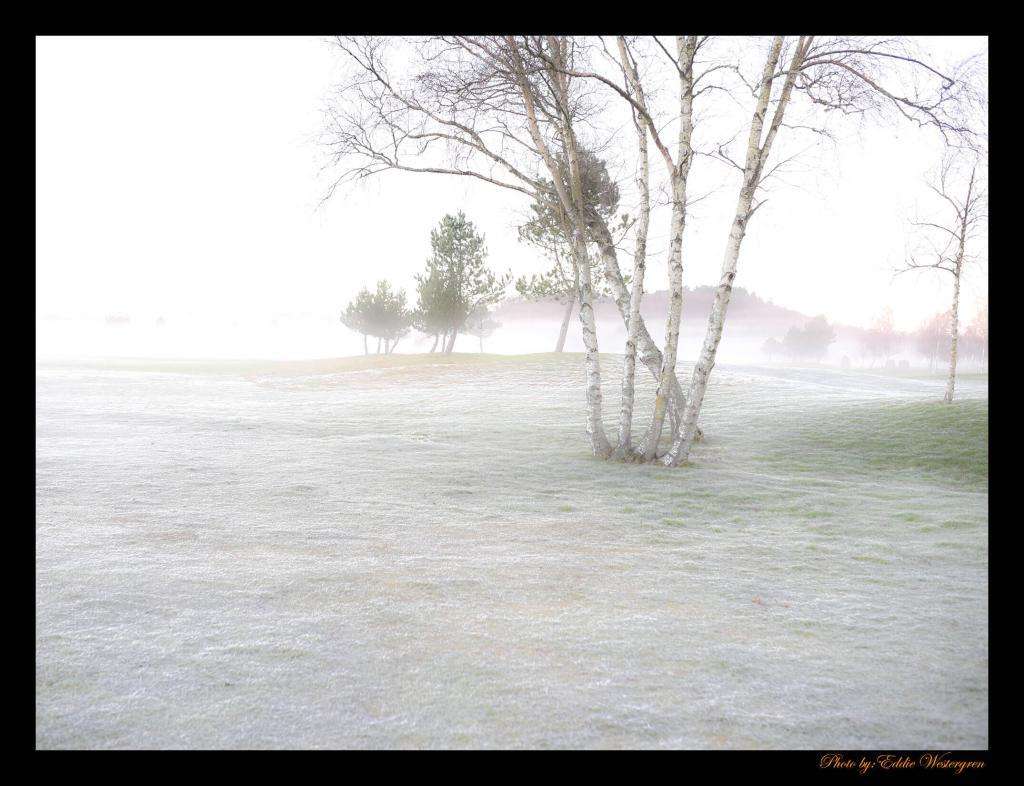
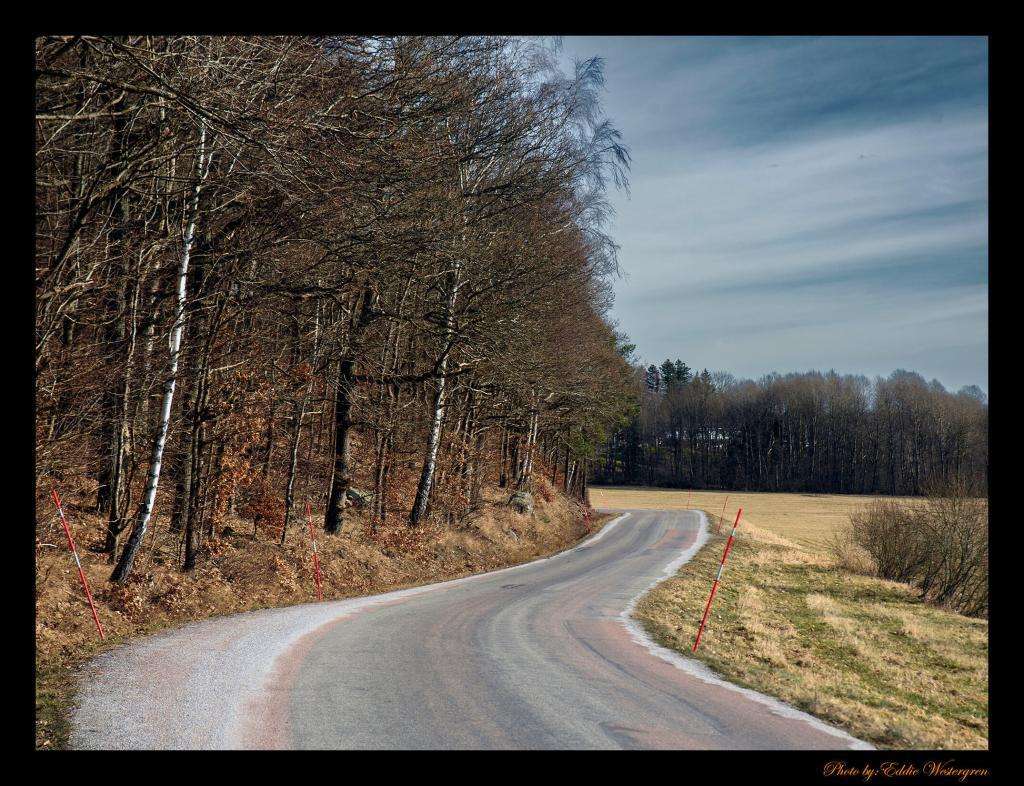
    often capture the balance between the Fontin lake and forest, water and land. The view hides the road curving along the water or the trails disappearing into the trees highlights . All covered in the mist.

    Ultimately, the Fontin area represents the best of Swedish outdoor culture. It is a place where locals and visitors alike can experience the restorative power of nature just minutes away from the town center. With its lake, forest, and welcoming atmosphere, Fontin is a sanctuary of peace, health, and community spirit.

  • Rowan tree

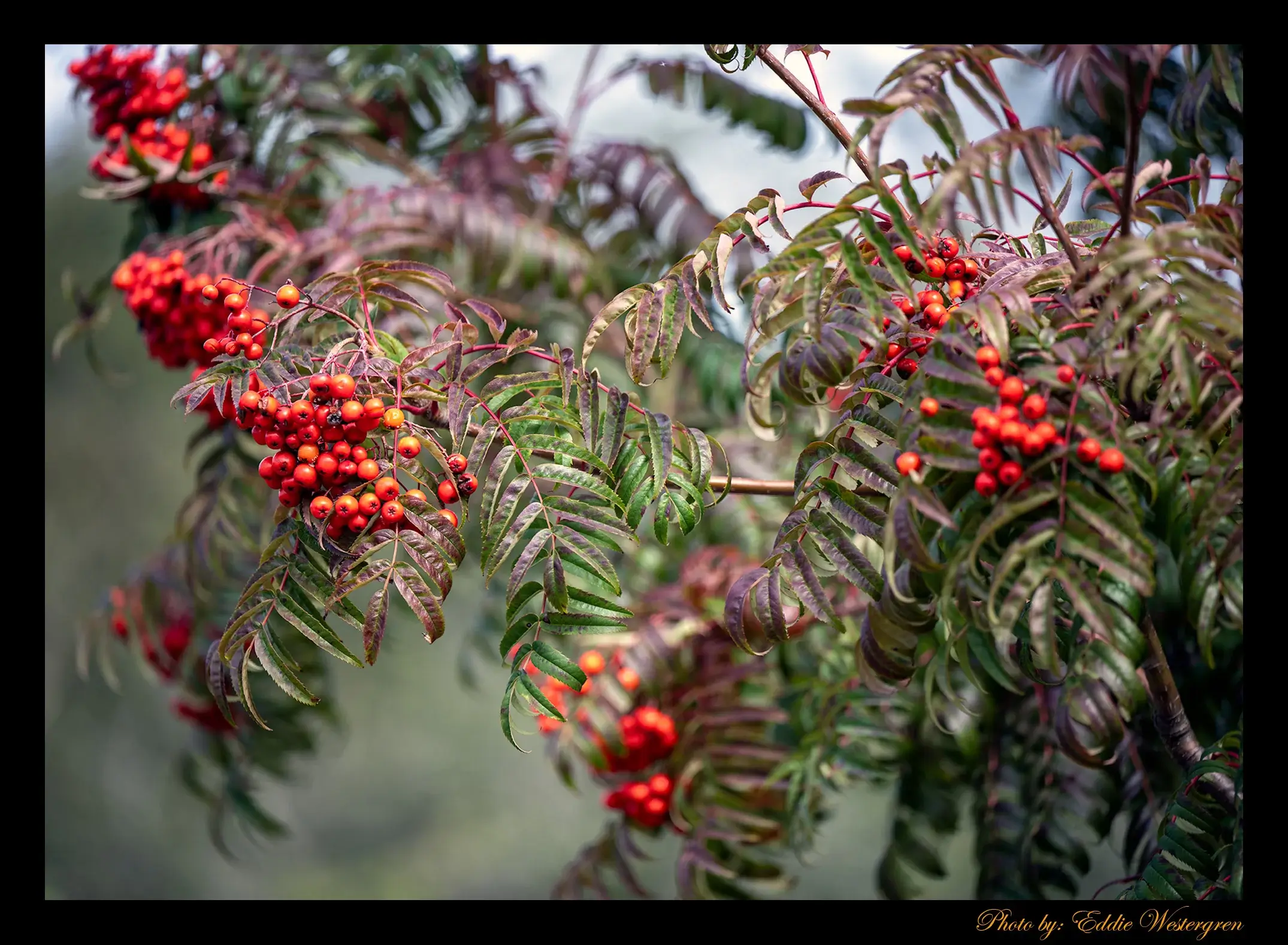
    Rowan tree
    When there are a lot of rowanberries on the rowanberry tree, it is said to be a very cold winter

    The rowan tree,

    also known as Sorbus aucuparia or the mountain ash. It is one of the most beloved and symbolic trees in European and Celtic folklore. Despite its common name, it is not related to the true ash tree but belongs to the rose family, Rosaceae. Native to cool regions across Europe, Asia, and North America, the rowan is a hardy, graceful tree known for its feathery leaves, creamy white spring blossoms, and clusters of bright red or orange berries that glow vividly in autumn and early winter.

    The rowan’s resilience

    has long made it a symbol of protection and endurance. It thrives in high, rocky, and exposed places—hence its other common name, the mountain ash. It is one of few trees capable of growing in poor, acidic soils where other species struggle. Its adaptability allows it to flourish in both forests and urban settings, where it provides vital food for birds and small mammals. The berries, though bitter to human taste, are a rich source of nutrition for wildlife, especially in winter when other foods are scarce. In folklore, the rowan tree has long been considered magical. In Celtic traditions, it was known as the “tree of life” and believed to ward off evil spirits and enchantments. People would plant rowans near homes and gateways or weave crosses from its twigs for protection. Its berries were thought to bear the mark of the pentagram, symbolizing balance and spiritual power. The Norse associated the rowan with the goddess Idunn, guardian of the apples of youth, while Scottish Highlanders carried sprigs of rowan for good luck.

    Beyond its mythic reputation,

    the rowan has practical uses. Its wood, though relatively light, is strong and was historically used for tool handles, walking sticks, and furniture. The berries can be cooked into jellies, wines, and preserves. When combined with apples, they make a sharp, tangy flavor that pairs well with game meats. Medicinally, rowan berries were once used as a remedy for sore throats and scurvy due to their high vitamin C content.

    Today,

    the rowan remains a cherished ornamental tree, admired for its beauty through all seasons—from spring blossoms to fiery autumn fruit. More than that, it endures as a living emblem of protection, vitality, and harmony with nature.