Hawk eye

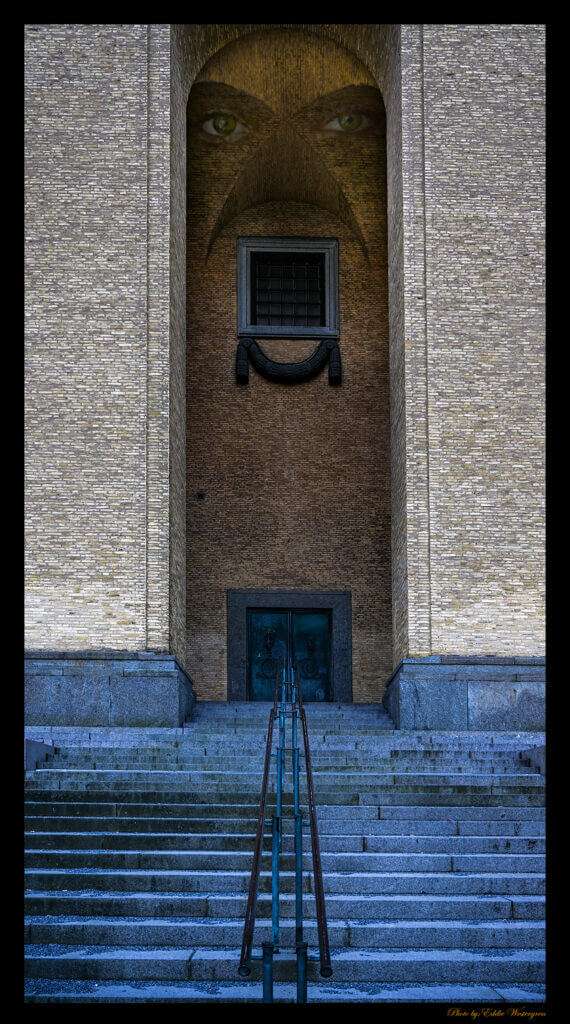
Hawk eye watching you on the top of the stairs to Gothenburg art museum. Hawk eye photo
The stairs leading up to the Art museum on Götaplatsen in Gothenburg on the hawk eye photo are more than just a functional means to ascend; they are a symbolic ascent into the realm of art and culture. As one approaches Götaplatsen, the grandeur of the stairs becomes apparent. Wide and imposing, they command attention, inviting visitors to ascend and immerse themselves in the world of creativity and expression that awaits at the top.
Constructed with elegant simplicity, the stairs are a fusion of form and function. Made of smooth stone, they exude a timeless beauty, while their sturdy construction ensures the safety of those who climb them. Each step is a testament to the craftsmanship of those who designed and built them, a testament to the dedication to excellence that pervades the cultural landscape of Gothenburg.
It’s a journey upstairs
Ascending the stairs, one can’t help but feel a sense of anticipation. The journey upward is not just physical but also metaphorical, a progression from the everyday world below to the realm of art and inspiration above. With each step, the cares and concerns of the outside world seem to fade away, replaced by a sense of wonder and possibility.
At the top of the stairs, the Art museum beckons, its modernist façade a striking contrast to the classical elegance of the stairs themselves. Yet, somehow, the two elements complement each other, creating a harmonious whole that speaks to the unity of tradition and innovation in the world of art.
From the vantage point of the museum entrance, one can look out over Götaplatsen, taking in the bustling energy of the city below. Yet, despite the activity all around, there is a sense of serenity here, a quietude that seems to envelop visitors as they prepare to explore the treasures that lie within.
In many ways, the stairs leading up to thge Art museum on Götaplatsen are a metaphor for the journey of artistic discovery itself. I can’t help fealing watched by the hawk eye when I climb up those stone steps. The exploration of art requires patience, determination, and an openness to new experiences. And just as the view from the top of the stairs offers a fresh perspective on the world below, so too does art have the power to transform our understanding of ourselves and the world around us.
Orchid eating
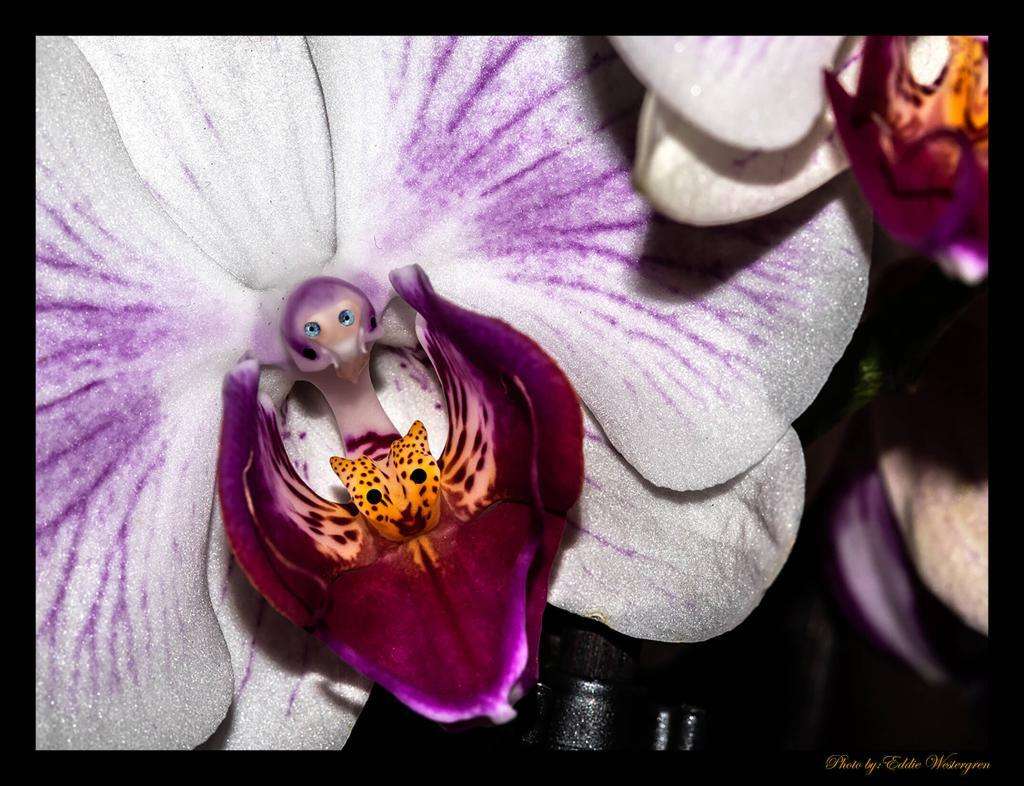
Orchid eating gepard. Orchid eating
This photo is a fascinating example of how our minds interpret visual information. The photographic illusion where an orchid flower appears to be an animal eating. Orchids are already known for their unusual shapes and striking details. In this case, the petals and central structures align in such a way that the flower looks less like a plant and more like a living creature. It’s caught in the act of feeding. At first glance, viewers may not even recognize it as a blossom. Instead, they might see the open “mouth” of a small animal, perhaps resembling a bird, an insect, or even a fantastical beast.
This illusion
works because of a psychological phenomenon called pareidolia, where the brain seeks familiar patterns in random or ambiguous images. Our minds are highly trained to recognize faces, bodies, and animal forms. So when the orchid’s lip and column resemble a beak or jaw, the rest of the petals are subconsciously interpreted as wings, limbs, or a body. Light, shadow, and angle further enhance the effect, making the scene look three-dimensional and alive.
Orchid eating in result is both
surreal and enchanting. A simple photograph of a plant transforms into a moment of imaginative storytelling. Instead of just seeing a flower, viewers might imagine a creature bent over its meal, chewing or sipping with intent focus. This merging of the natural beauty of a blossom with the suggestion of animal life creates a playful tension. It blurs the line between flora and fauna, making us question where perception ends and imagination begins.
Photoshop made
orchid eating image possible. Such images also highlight the creativity of photography. By carefully choosing the perspective, a photographer can invite people to see the world differently. Notice hidden faces or forms within ordinary subjects. In the case of the orchid eating illusion, the photograph captures not only the elegance of the flower but also the magic of human perception. It reminds us that reality is often filtered through our expectations, and that beauty sometimes hides in the most unexpected disguises. Through this illusion, the orchid becomes more than a plant: it becomes a doorway to wonder.
Dreamhouse
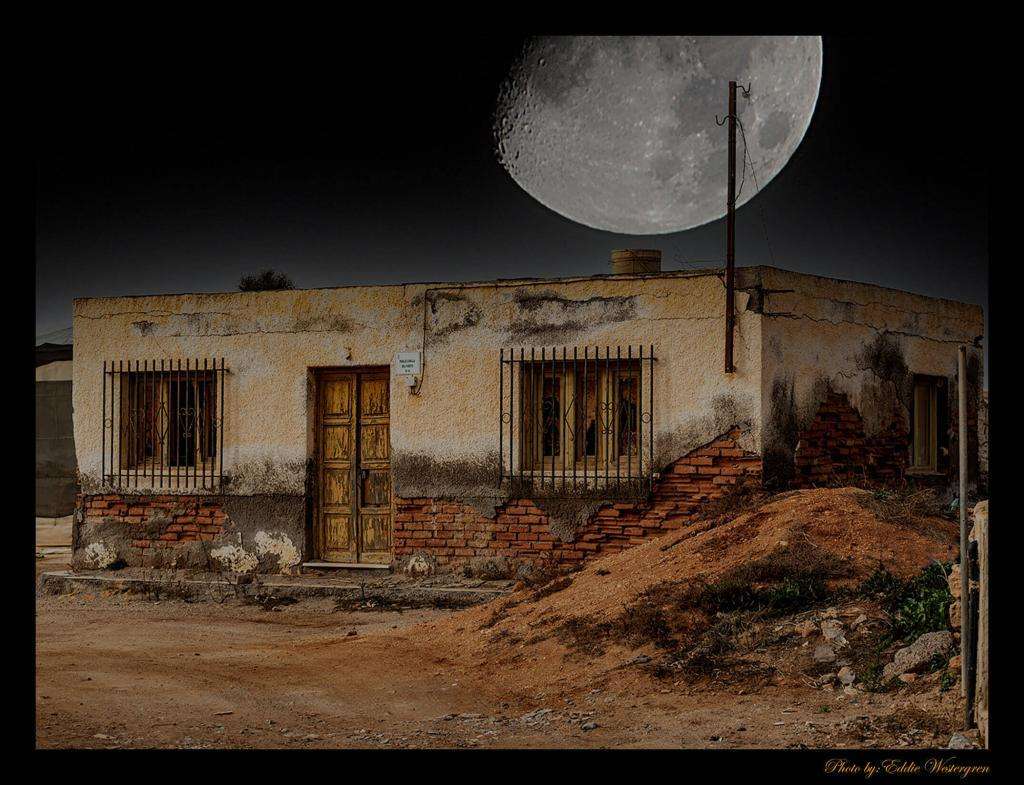
This house is located just below the moon somewhere between nothingness and eternity