• Volvo PV

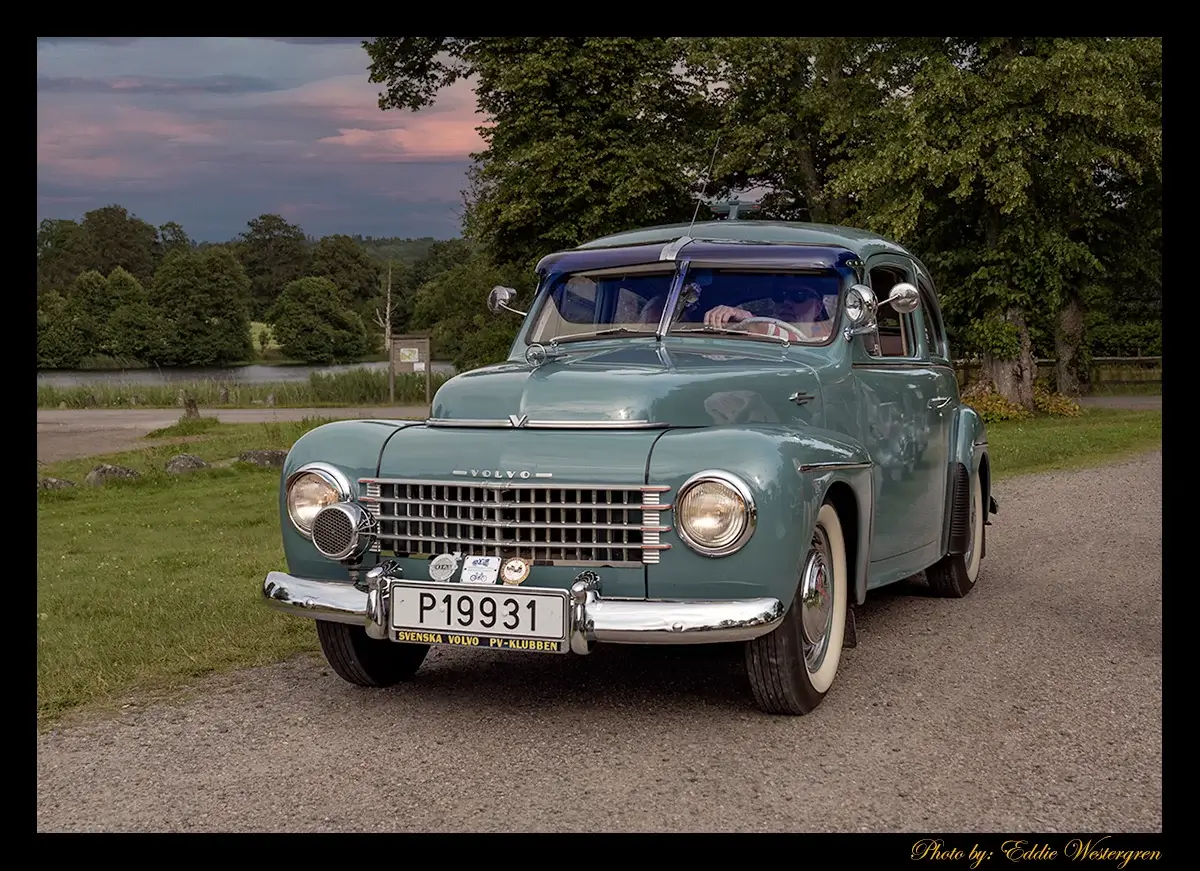
    1952 Volvo PV 444
    1952 Volvo PV 444

    Volvo PV 444 from1952 

    is a significant model in the history of Swedish automotive engineering, representing the company’s first foray into mass production. The PV 444, often affectionately called the “little Volvo,” was introduced in the post-World War II era. It embodying a combination of American influence and Swedish pragmatism.

    This model marked Volvo’s transition from a small-scale carmaker to a major player in the global automotive market. The PV 444 was initially conceived during the war, with the aim of producing a compact, affordable vehicle. Which could meet the needs of the average consumer in a time of economic recovery. Its development was ambitious, as it was the first car by Volvo to feature a unitary body construction,. Which was a significant advancement over the traditional body-on-frame designs of that era. This made the car lighter and more rigid, enhancing both its performance and safety.

    The 1952 model year featured the B14A engine, a 1.4-liter inline-four that produced 44 horsepower. While modest by today’s standards, this engine provided adequate power for the time, especially given the car’s lightweight construction. The engine was coupled with a three-speed manual transmission, and the car was capable of reaching speeds of around 120 km/h (75 mph), which was impressive for its class.

    Aesthetically, 

    the PV 444 was heavily influenced by American car designs of the 1940s, particularly the Ford models. It featured a distinctive split windshield, rounded fenders, and a compact yet sturdy silhouette. Inside, the car was simple but functional, with a dashboard that featured round gauges and controls that were easy to use.

    The PV 444 

    was also known for its durability and reliability, attributes that have become synonymous with the Volvo brand. Its success laid the foundation for future Volvo models, including the highly popular PV 544, and established Volvo as a serious competitor in the global automotive market. Today, the 1952 Volvo PV 444 is cherished by collectors and remains a symbol of Volvo’s enduring legacy.

  • Ford Tudor

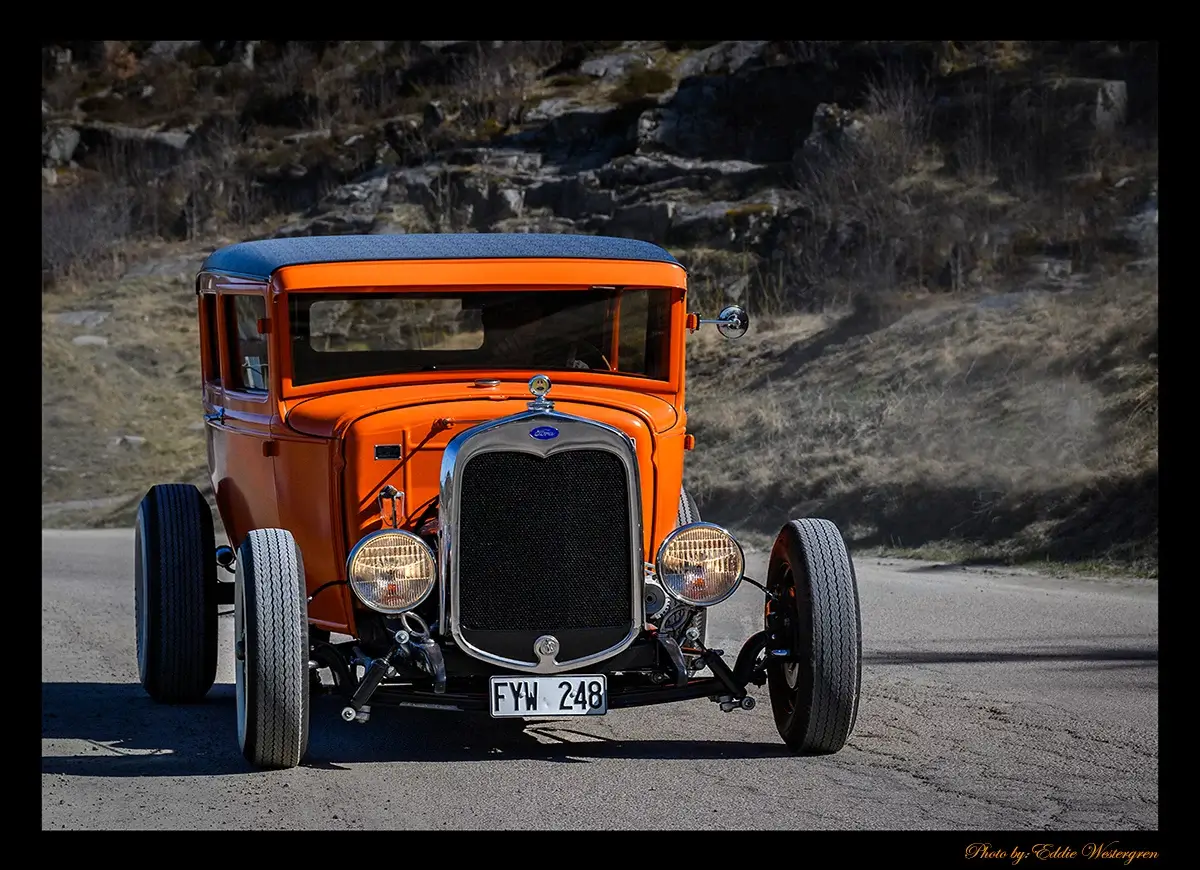
    Ford Tudor photographed in Uddevalla, Sweden

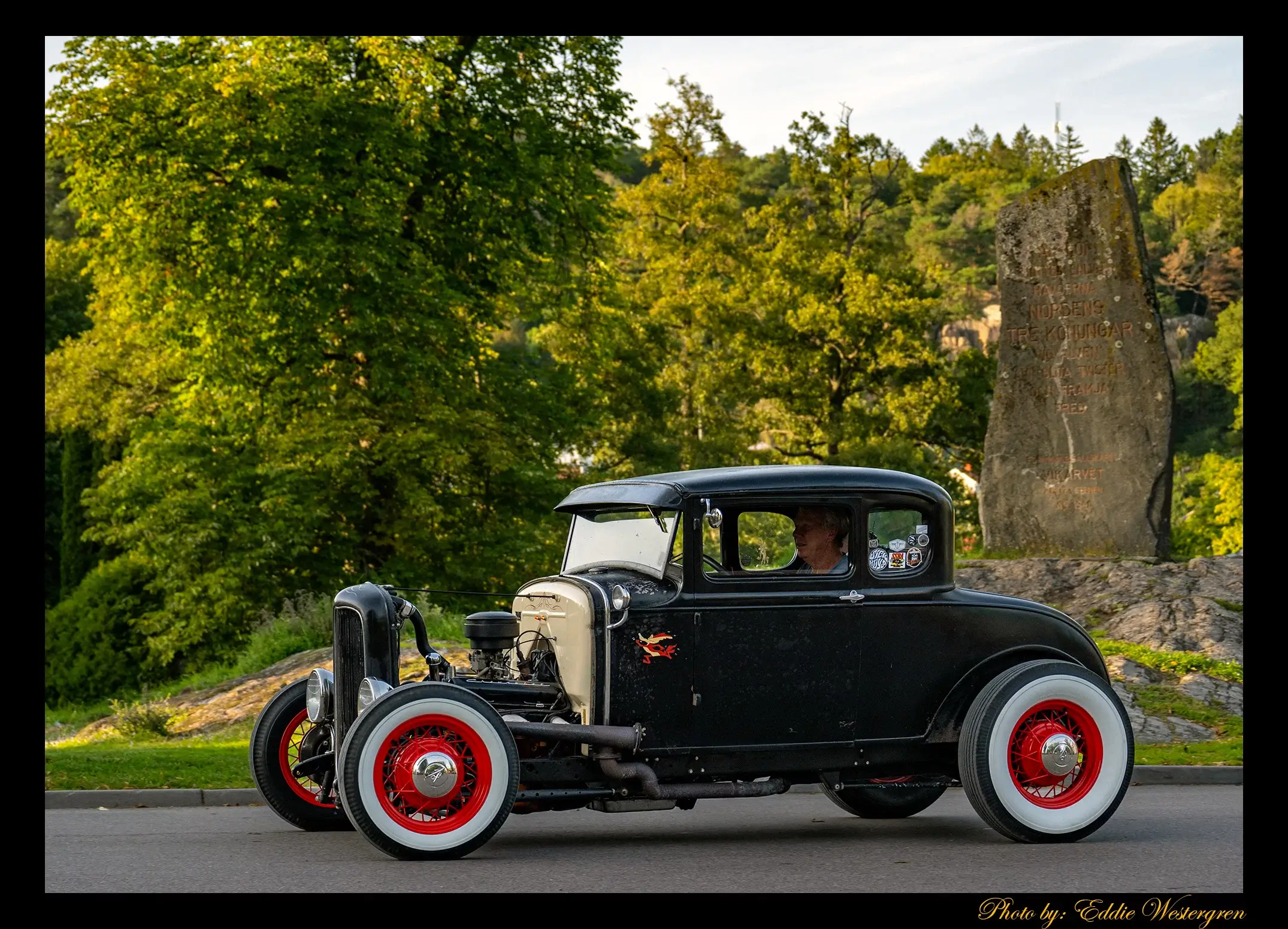
    Ford Tudor 

    from 1927 to 1931 was part of the legendary Model A lineup, which succeeded the famous Model T. Introduced in late 1927, the Model A marked a dramatic leap forward in automotive design, engineering, and comfort. By 1930, the Tudor sedan had become one of the most popular body styles, combining practicality, affordability, and a touch of style that appealed to the American middle class during the early years of the Great Depression.

    The Tudor, short for “two-door,” was essentially a two-door sedan that provided seating for up to five passengers. It offered more enclosed protection than an open car while being less expensive than the larger Fordor (four-door) sedan. The 1930-31 models featured refinements over earlier versions of the Model A. Ford updated the body with a higher radiator shell, a more upright grille, and slightly redesigned fenders and cowl. These subtle styling changes gave the car a fresher, more modern appearance.

    Mechanically, 

    the Tudor used the same dependable 201-cubic-inch, four-cylinder engine that powered all Model A Fords. Producing about 40 horsepower, it was capable of cruising at 40–50 miles per hour, which was sufficient for the roads of the era. The car used a three-speed manual transmission with a sliding gear design and mechanical brakes on all four wheels. While simple compared to later hydraulic systems, the brakes were adequate for the Tudor’s modest performance.

    Inside, the Tudor balanced practicality with modest comfort. Upholstery was usually mohair or cloth, depending on trim level, and the car offered ample headroom. A simple dashboard held the basic controls and instruments, reflecting Ford’s philosophy of keeping the car straightforward and reliable.

    Ford Tudor was available in Standard and Deluxe versions, with the Deluxe offering brighter trim, better upholstery, and sometimes dual tail lamps or cowl lights. Prices ranged around $500 to $600, making it affordable for many families despite the difficult economic climate of the early 1930s.

    By 1931,

     the Tudor had helped establish the Model A as a commercial success, with millions sold worldwide. Today, the 1930–31 Ford Tudor remains a favorite among collectors and restorers, admired for its timeless design, mechanical simplicity, and historical importance.

  • 1937 Ford Slantback

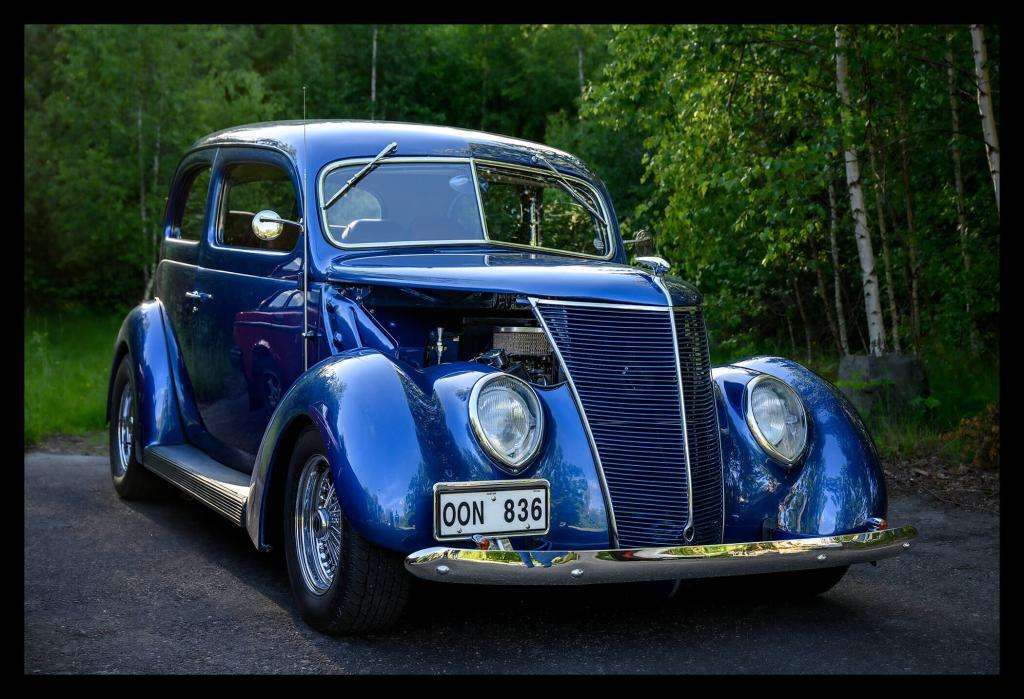
    1937 Ford Slantback photo

    The 1937 Ford Slantback

    is a classic car that represents a pivotal era in automotive design and engineering. Produced by the Ford Motor Company during the late 1930s, it marked a significant departure from the more boxy, traditional car designs of the early 20th century. The term “Slantback” refers to the car’s distinctive rear end design, where the rear of the car slopes down smoothly, eliminating the separate trunk that was common in cars of the time. This sleek, streamlined look gave the car a more modern and aerodynamic appearance.


    The 1937 Slantback came in two-door and four-door variants, offering versatility to buyers. It was part of Ford’s Deluxe line, which focused on style and comfort, appealing to families and middle-class buyers seeking a balance between luxury and affordability. The car featured an all-steel body construction, which was more durable and safer than earlier wood-framed models. Its design was influenced by the growing trend of Art Deco, visible in its curved lines, streamlined shape, and chrome accents.


    Under the hood,

    the 1937 Ford Slantback was powered by Ford’s reliable 221 cubic-inch flathead V8 engine, producing 85 horsepower. This engine provided decent performance for the time, contributing to Ford’s reputation for offering affordable cars with good power. The Slantback was equipped with hydraulic brakes, a feature that improved safety compared to its predecessors, which had mechanical brakes.


    The 1937 model year also introduced improvements in suspension, with a more comfortable ride thanks to transverse leaf springs. While not as technologically advanced as some luxury cars, the Ford Slantback was dependable, stylish, and affordable, making it popular with a wide range of buyers.


    Today,

    the 1937 Ford Slantback remains a highly sought-after vehicle among classic car collectors and hot rod enthusiasts. Its unique design, historical significance, and customization potential make it a cherished piece of automotive history that continues to capture the imagination of car lovers.

  • Buick eight

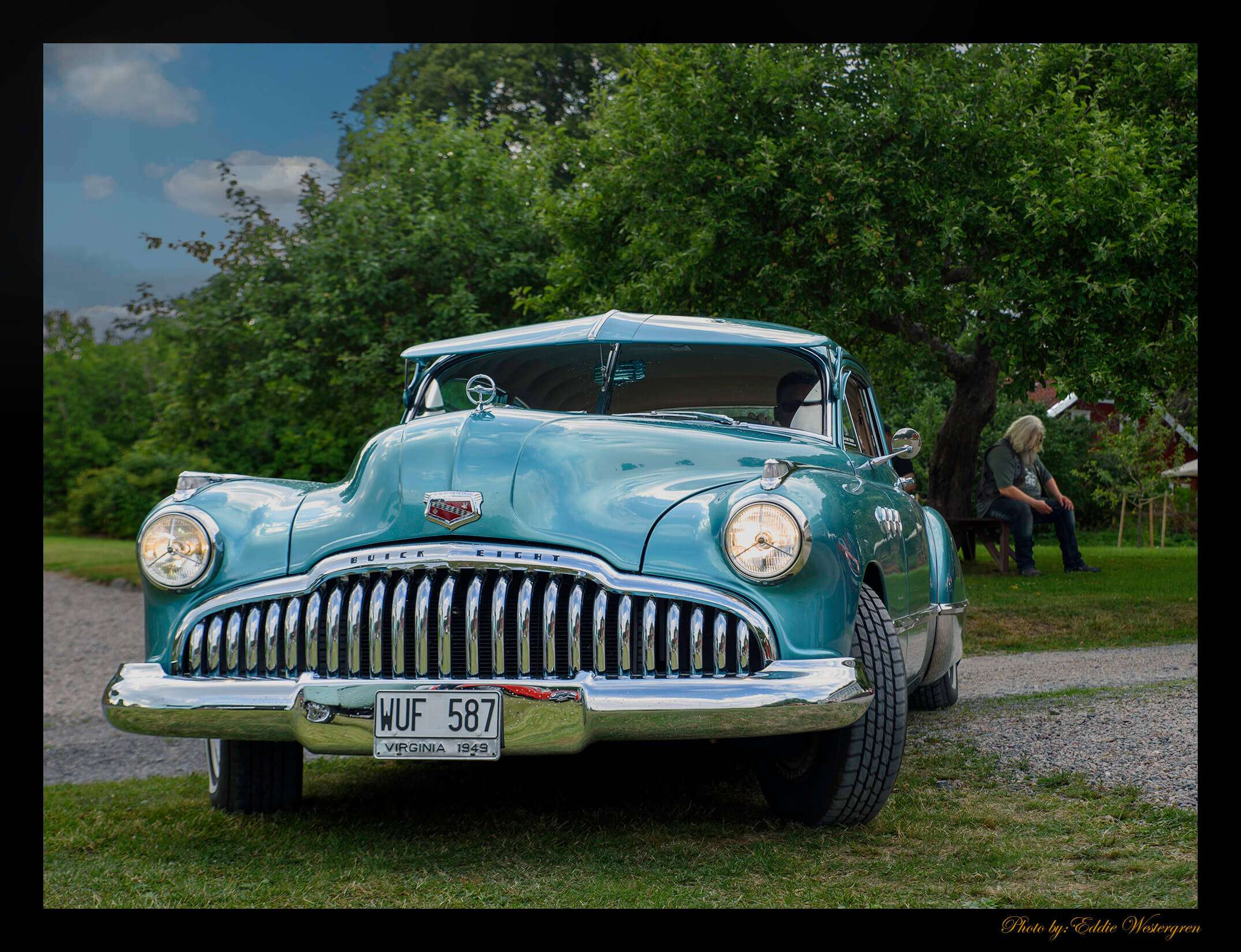
    Buick eight 1949 photo

    The Buick Eight,

    a series of cars produced by Buick from 1931 to 1953, is a significant chapter in American automotive history. These vehicles were powered by a straight-eight engine, a defining feature that marked a period of innovation and luxury in Buick’s lineup. The introduction of the straight-eight engine, also known as the inline-eight, provided a smooth and powerful driving experience that appealed to a growing middle class looking for both performance and elegance in their automobiles.

    During its production run, the Buick Eight series encompassed a variety of models, ranging from the more affordable Special to the luxurious Roadmaster. The Special served as the entry-level model, offering Buick’s renowned engineering and style at a more accessible price point. On the other end of the spectrum, the Roadmaster represented the pinnacle of Buick’s design and engineering prowess, featuring advanced technology, superior craftsmanship, and a high level of comfort and luxury. 

    Buick eight from 1949 (on this photo) named Super Sedan was built from 1940 through the 1958 model years, with a brief brake from 1943 between 1945.

    One of the standout features of the Buick Eight was its advanced engine design. The straight-eight engine was known for its smooth operation, which was a result of its longer crankshaft and the even firing order of the eight cylinders. This engine layout provided a balanced power delivery and minimized vibrations, making for a more refined driving experience compared to the V8 engines that would later become popular.

    The design of

    the Buick Eight vehicles also reflected the Art Deco and Streamline Moderne influences of the era. These cars featured flowing lines, distinctive grilles, and elegant chrome accents that made them stand out on the road. The interiors were equally luxurious, with plush seating, high-quality materials, and advanced features for the time, such as push-button radios and sophisticated heating systems.

    The Buick Eight

    played a crucial role in establishing Buick’s reputation for building high-quality, reliable, and stylish automobiles. It helped solidify the brand’s position in the American automotive market and laid the foundation for future innovations. Even today, classic car enthusiasts admire the Buick Eight for its engineering excellence and timeless design, making it a beloved icon of automotive history.

  • 1955 Ford F100

    1955 Ford F100
    1955 Ford F100

    The 1955 Ford F-100

    is a classic American pickup truck, widely celebrated for its combination of rugged durability and stylish design. As part of the second generation of the F-Series, introduced in 1953, the 1955 model retained many of the innovative changes that defined this era of Ford trucks.

    One of the most notable features of the 1955 Ford F-100 was its updated, more modern appearance. It sported a sleeker, more aerodynamic body compared to its predecessors, with a distinctive, integrated front grille and headlights that gave it a more unified and contemporary look. The cab was roomier and more comfortable, reflecting the growing trend of trucks being used for both work and personal transportation.

    Under the hood,

    the 1955 F-100 offered several engine options, providing flexibility for different needs and preferences. The standard engine was a 223-cubic inch (3.7-liter) inline-six, known for its reliability and sufficient power for most tasks. For those seeking more performance, Ford offered the 239-cubic inch (3.9-liter) V8 engine, often referred to as the “Power King.” This V8 engine delivered more horsepower and torque, making the F-100 more capable of handling heavier loads and towing.

    The 1955 F-100 also featured significant improvements in its suspension and steering systems, enhancing its driving dynamics and comfort. The introduction of the Ford “Twin-I-Beam” front suspension in later models was a precursor to this trend, providing a smoother ride and better handling compared to older models.

    Interior amenities in the 1955 F-100 were more advanced than in previous generations, with better seating, improved instrumentation, and optional features like a radio and heater, which made driving more enjoyable.

    Today, the 1955 Ford F-100

    is a prized collectible, cherished by classic truck enthusiasts and restorers. Its timeless design, coupled with its robust engineering, makes it a popular choice at car shows and among customizers who often enhance its performance and aesthetics while retaining its vintage charm. The 1955 Ford F-100 stands as a testament to the era’s automotive innovation and remains a symbol of American automotive heritage.

  • 1948 PONTIAC SILVER 8 STREAK

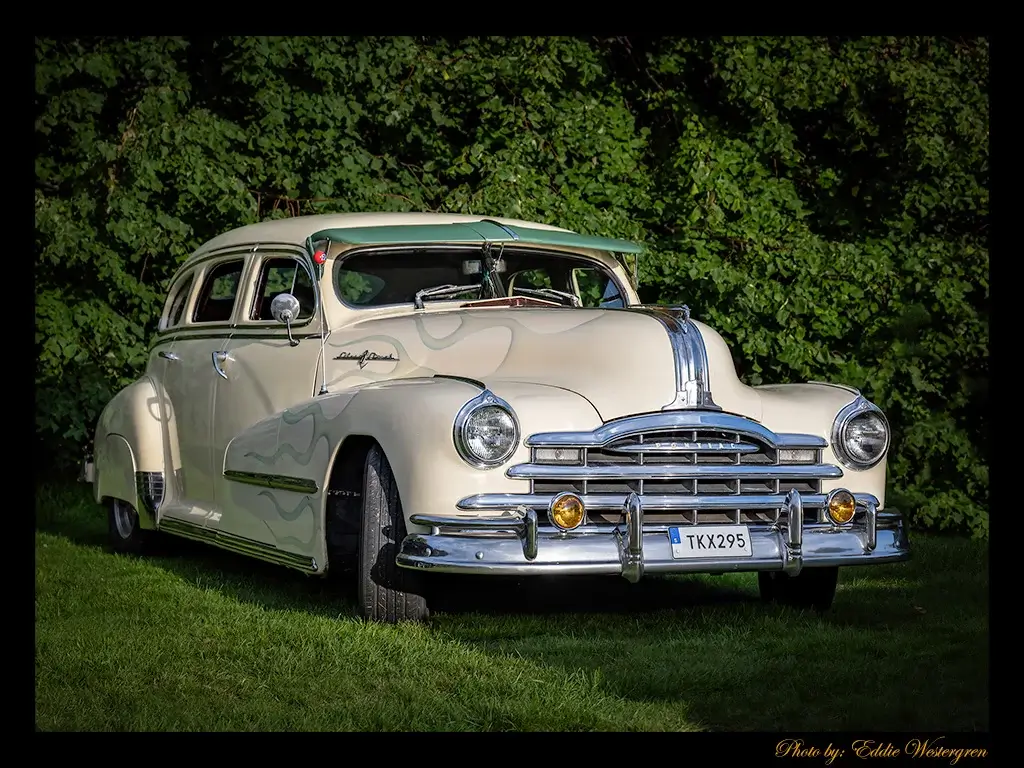
    PONTIAC SILVER 8 STREAK
    1948 Pontiac Silver 8 Streak

    The 1948 Pontiac Silver 8 Streak

    is an iconic American car, known for its blend of post-war design and solid engineering. Part of Pontiac’s popular “Silver Streak” series, the 1948 model was the final year of this particular design line, which had been a staple since the 1930s. The name “Silver Streak” referred to the distinctive chrome bands running along the hood and trunk, a hallmark of Pontiac’s styling during this era. In particular, the “8” in Silver 8 Streak highlights its use of an inline eight-cylinder engine, providing the car with notable power and smooth performance.

    The design of the 1948 Pontiac Silver 8 Streak featured a robust, elegant look. It had a long, streamlined body with sweeping fenders and a wide grille, reflecting the post-war American automotive trend toward bigger, more luxurious vehicles. Chrome accents adorned the car, from the distinctive “Silver Streak” hood ornamentation to the bumpers and trim, adding a touch of glamour. Available in both sedan and coupe body styles, the Silver 8 Streak was designed to appeal to families and professionals seeking both style and dependability.

    Under the hood,

    the 1948 Pontiac Silver 8 Streak came with either a straight-six or straight-eight engine, with the latter being the more powerful and prestigious option. The 248 cubic inch straight-eight engine produced around 104 horsepower, providing a smooth and steady ride, especially at higher speeds. The car was equipped with a three-speed manual transmission, though some models offered Pontiac’s Hydra-Matic automatic transmission, which was cutting-edge technology at the time. The 1948 Silver 8 Streak offered improved suspension and a durable steel frame, contributing to a comfortable ride and solid handling, making it a practical choice for everyday driving. Inside, the car featured a spacious cabin with simple yet elegant design touches, including wood grain dash elements and plush seating.

    Today, the 1948 Pontiac Silver 8 Streak

    is a prized collector’s car, representing a bridge between pre-war and post-war American automotive design. Its classic styling, sturdy engineering, and historical significance make it a beloved model for classic car enthusiasts.